
About Vein Health
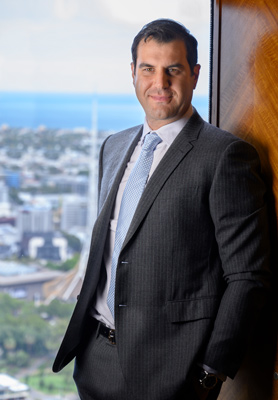
Dr. Peter Paraskevas
MBBS, FACP, GCertHSc (Med Sonography)
Dr Peter Paraskevas is a qualified phlebologist and a full member of the Australasian College of Phlebology. In addition to his formal training, Dr Paraskevas has trained with world renowned phlebologists and vascular surgeons both in Australia and abroad and continues to improve on his skills in a rapidly evolving field.
He attends annual conferences of the Australasian College of Phlebology and remains actively involved providing lectures in anatomy and ultrasound.
Dr Paraskevas is currently involved in the training of basic registrars of the College of Phlebology. He provides education and hands on clinical tuition to doctors wishing to enter into the specialty field. He is a regular examiner of both Basic and Advanced Registrars, sitting their preliminary and final oral examinations with the College of Phlebology. In addition to this, Dr Paraskevas regularly provides lectures in the field of phlebology both in a conference and seminar setting.
Qualifications
- MBBS (Bachelor of Medicine, Bachelor of Surgery – Monash University)
- Certified Sclerotherapist (Australasian College of Phlebology)
- Graduate Certificate of Health Science (Medical Sonography – University of Sydney)
- PHLEBOLOGIST – F.A.C.P. (Fellow of the Australasian College of Phlebology)
Professional Memberships
- Full Member of the Australasian College of Phlebology
- Member of the Australian Institute of Ultrasound
- Graduate Fellow of the Australasian College of Phlebology
- American Academy of Aesthetics Medicine (AAAM)
- Affiliate Member of the Australasian College of Cosmetic Surgeons
- Full Member of the ISHRS (International Society of Hair Restoration Surgeons)