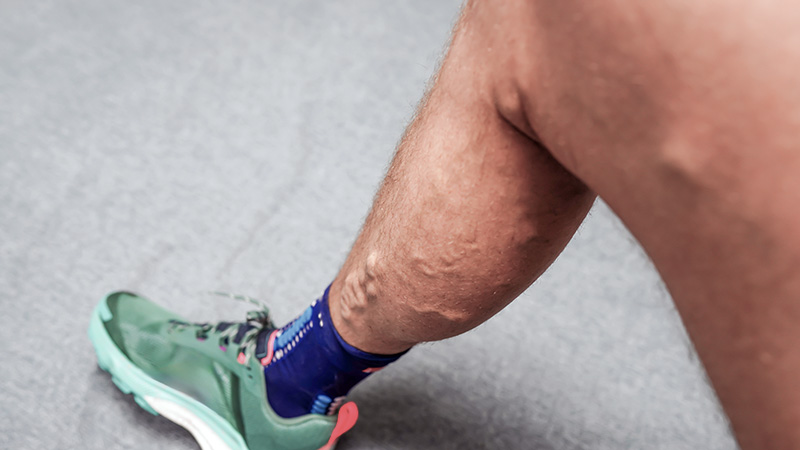
Varicose Veins in Men: Why Early Treatment Matters
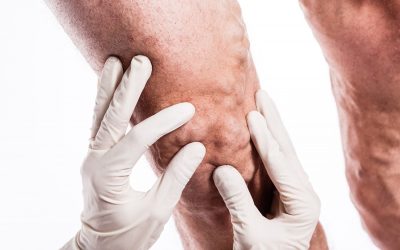
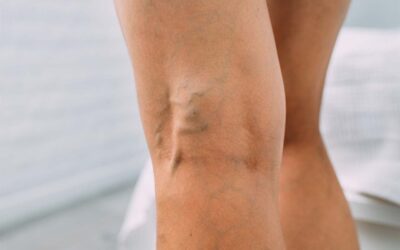
Varicose veins are often thought of as a women’s health issue. The reality is quite different. Men develop varicose veins at similar rates to women. Research shows up to 40% of men will be affected during their lifetime. The difference lies not in how many men develop them, but in how long they wait before seeking help.
This delay has real consequences, and understanding why it happens is the first step toward better outcomes.
The Treatment Gap
In my practice, I frequently see male patients who present with more advanced symptoms simply because they have waited longer to seek treatment. While women often seek help when they first notice visible changes, many men wait until they experience significant pain or complications.
There are understandable reasons for this. Men tend to hide varicose veins more easily, wearing trousers that conceal bulging vessels. Many also view this as a cosmetic concern rather than a health issue. So if it doesn’t hurt or limit what they can do, it doesn’t seem like a priority.
The challenge is that varicose veins are a progressive condition. Without treatment, they don’t stay the same, they advance.
When Varicose Veins Progress
Untreated varicose veins can lead to:
- Persistent leg pain, heaviness, and fatigue
- Swelling that worsens throughout the day
- Skin changes and discolouration around the ankles
- Venous eczema and inflammation
- Venous ulcers—open wounds that are difficult to heal and have a high recurrence rate
- In some cases, deep vein thrombosis (DVT)
The progression can be silent at first. You might notice heaviness in your legs or some mild aching, but these early warning signs are easy to dismiss. What starts as mild varicose veins can gradually develop into serious skin damage that could have been prevented with early intervention.
This is why I encourage men not to wait until the situation becomes serious. Early detection changes everything.
Understanding Your Risk
Several factors increase the likelihood of developing varicose veins:
- Family history – Heredity plays a significant role. Approximately 50% of patients have a family history of venous disease.
- Occupation – Prolonged standing or sitting, particularly in trades, construction, retail, hospitality, and healthcare.
- Regular heavy lifting – Common in physically demanding jobs.
- Weight and lifestyle factors – Excess weight places additional pressure on leg veins.
- Age – The risk increases as we get older.
Many men don’t realise how much varicose veins affect their quality of life until after treatment. Symptoms like leg fatigue and discomfort can impact work performance, limit physical activities, and make even simple tasks like playing with children or walking the dog, uncomfortable.
The Good News: Effective Treatment Is Available
Skin complications are preventable when we identify varicose veins early—even when symptoms seem mild, like slight heaviness or aching in the legs.
At Vein Health Medical Clinic, every patient receives a thorough clinical examination and detailed duplex ultrasound to identify the true source of the problem. This comprehensive assessment allows us to develop a treatment plan that targets the underlying cause, rather than only addressing what is visible at the surface.
Modern treatments for varicose veins are minimally invasive, with quick recovery times:
- Endovenous Laser Ablation (EVLA) – A laser fibre seals the affected vein from the inside
- Radiofrequency Ablation – Uses controlled heat energy to close damaged veins
- Ultrasound-Guided Sclerotherapy – A specialised injection technique for treating deeper veins
These procedures are performed under local anaesthetic in our clinic—no hospital admission required. Most patients can walk immediately afterwards and return to work within one to two days.
Taking Charge of Your Vein Health
If you’re experiencing any signs of varicose veins—visible bulging veins, heaviness in your legs, aching, swelling, or simply an awareness that something isn’t quite right—I encourage you to seek an assessment sooner rather than later.
Your veins matter, regardless of your gender. Taking action now means protecting your vascular health and your quality of life for years to come. Vein issues can be challenging, but there is a clear path to recovery—and you don’t have to walk it alone.
Key Takeaways:
- Varicose veins affect up to 40% of men during their lifetime—this is not just a women’s issue
- Men tend to delay treatment until symptoms become severe, increasing the risk of complications
- Early detection and treatment can prevent serious issues such as venous ulcers and skin damage
- Modern vein treatments are minimally invasive, performed in-clinic, with quick recovery times
- Workplace factors, including prolonged standing and heavy lifting, significantly impact vein health