
Many people live with varicose veins for years before seeking advice.
Some assume treatment is cosmetic. Others believe surgery is the only option. In reality, modern varicose vein procedures are minimally invasive, performed as outpatient treatments, and designed to relieve symptoms while correcting underlying vein dysfunction.
The more useful question is not simply:
“Do my veins look bad?”
It is:
“Are my veins functioning properly?”
The only reliable way to answer that is with a duplex ultrasound scan.
What Symptoms Indicate You May Need Varicose Vein Treatment?
You may be a candidate for a procedure if your veins are affecting comfort or daily life.
Common symptoms include:
- Persistent aching or throbbing
- Leg heaviness, especially later in the day
- Ankle swelling
- Skin discolouration or thickening
- Itching over veins
- Restless legs
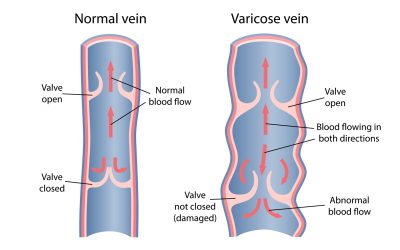
These symptoms are commonly linked to venous reflux, backward blood flow caused by faulty vein valves.
A duplex ultrasound scan confirms whether reflux is present and whether it is responsible for your symptoms.
When reflux is confirmed, treatment can provide meaningful and lasting relief.
Are Bulging Varicose Veins a Sign of Venous Reflux?
In many cases, yes.
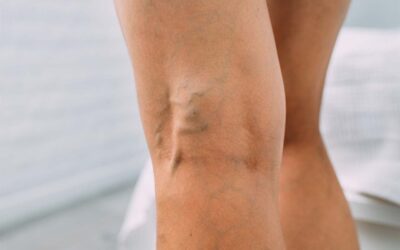
Bulging, twisted varicose veins are frequently associated with underlying venous reflux. When veins become enlarged and prominent, it usually reflects sustained pressure from faulty valves and backward blood flow.
If veins are visibly enlarged or raised, ultrasound assessment is strongly recommended even if discomfort is mild.
Appearance in these cases often correlates with functional dysfunction.
Are Spider Veins Always Cosmetic?
Not necessarily.
Isolated spider veins without symptoms are often cosmetic.
However, spider veins accompanied by heaviness, aching, swelling, itching, or restless legs may indicate deeper venous reflux.
This is why our clinic team asks detailed questions when patients enquire about spider veins. Symptoms change the clinical picture.
Spider veins alone do not confirm deeper dysfunction — but spider veins with symptoms raise suspicion.
The only way to determine whether reflux is present is through duplex ultrasound scanning, which visualises blood flow in real time and maps which veins are functioning abnormally.
Appearance alone does not determine candidacy. Symptoms and ultrasound findings do.
Why Duplex Ultrasound Is Essential Before Varicose Vein Procedures
Treatment decisions should never be based on appearance alone.
Duplex ultrasound is the primary diagnostic tool used to:
- Visualise blood flow in real time
- Identify venous reflux
- Map which veins are responsible
- Guide precise, targeted treatment
Without ultrasound assessment, it is not possible to accurately diagnose underlying vein dysfunction.
A diagnostic-first approach ensures any procedure addresses the true source of symptoms.
What If Compression Stockings Have Not Helped?
Compression stockings can reduce symptoms temporarily, but they do not correct reflux.
If you have:
- Tried compression without lasting improvement
- Continued to experience heaviness or swelling
- Found stockings impractical long term
Ultrasound assessment can determine whether a minimally invasive procedure would provide more durable relief.
When Varicose Vein Treatment May Not Be Necessary
Not every visible vein requires intervention.
Duplex ultrasound assessment allows us to determine whether clinically significant venous reflux is present. If the scan shows that vein function is adequate and symptoms are not driven by reflux, procedural treatment is unlikely to provide benefit.
In these cases, treatment will not be recommended.
Instead, we provide clear guidance on monitoring, symptom management, or alternative explanations where appropriate.
This ensures that any procedure offered is necessary, targeted, and evidence-based.
Key Takeaways
- Bulging or twisted varicose veins are often linked to venous reflux.
- Spider veins without symptoms may be cosmetic.
- Spider veins accompanied by heaviness, aching, swelling, or itching may indicate deeper dysfunction.
- Duplex ultrasound scanning is essential to confirm diagnosis.
- Treatment decisions should be guided by ultrasound findings and symptom severity, not appearance alone.
- A diagnostic-first approach ensures personalised, appropriate care.
A Message from Dr Peter
If your veins are visibly bulging, or if you are experiencing heaviness, aching, or swelling, it is important to assess them properly.
A duplex ultrasound scan allows us to understand exactly what is happening beneath the surface.
From there, we can determine whether treatment will genuinely benefit you.