Causes, Prevention and a Real Patient Case Study
Varicose veins could return after treatment, but this risk is reduced when the underlying vein problem is addressed properly.
Why do Varicose Veins Come Back?
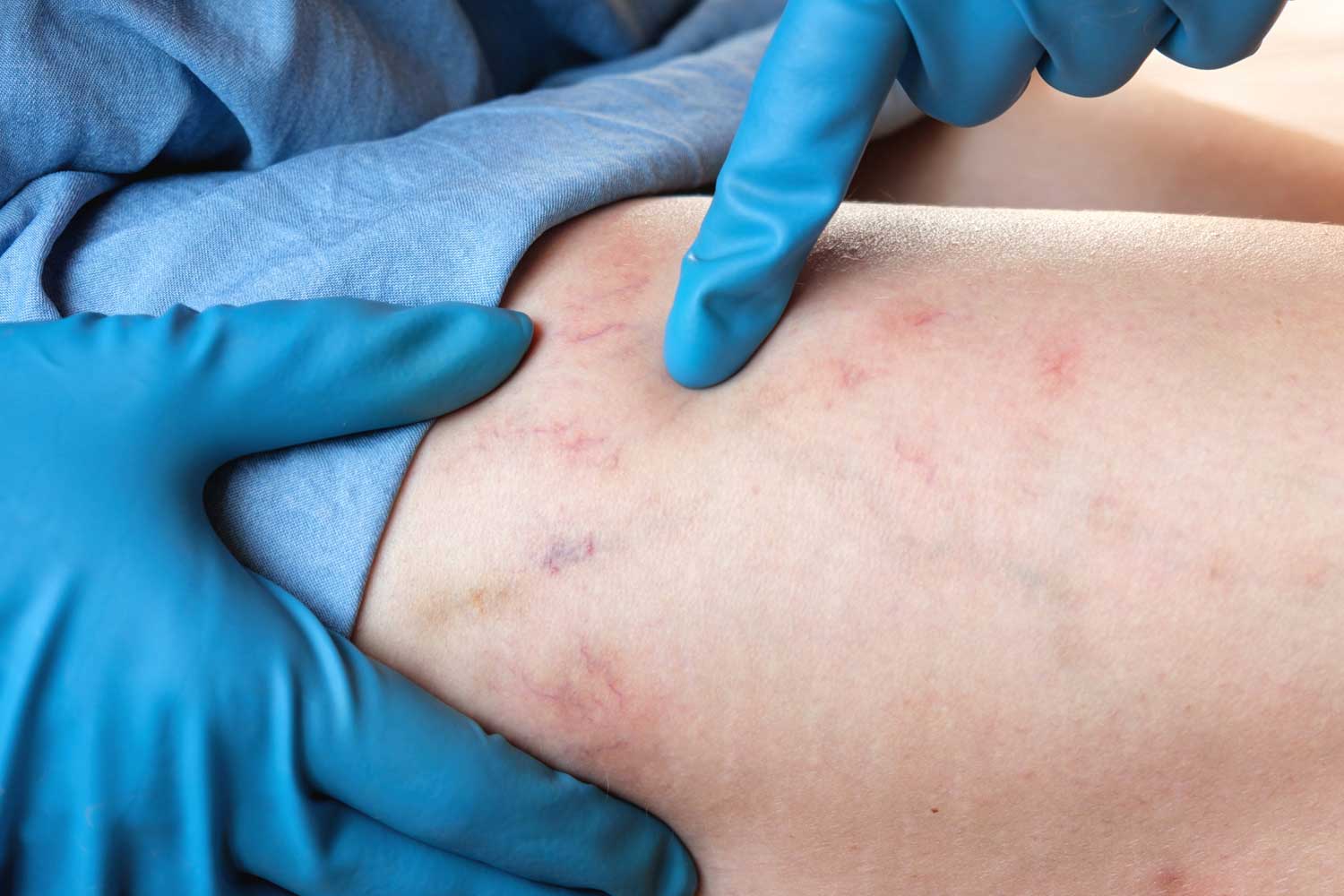
Varicose veins are not just a surface concern. They are a sign of underlying vein disease (chronic venous disease), which can continue to change over time. When veins reappear after treatment, it is usually due to one or more of the following reasons.
Progression of Vein Disease
Vein disease is progressive. Even when a treated vein is successfully closed, other veins may weaken over time. This can make it appear as though a treated vein has returned, when in fact a new and different vein has become affected.
Regular post-treatment reviews and follow-up ultrasound scans help identify these changes early, before visible varicose veins redevelop.
Incomplete or Inaccurate Initial Diagnosis
Varicose veins are often connected to deeper source veins. If all refluxing veins are not identified during the initial assessment, treatment may focus only on the visible veins rather than the underlying cause.
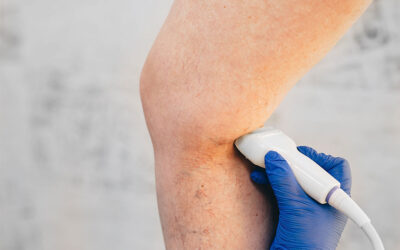
Comprehensive duplex ultrasound scanning allows doctors to map:
- Saphenous veins
- Accessory veins
- Deep-to-surface reflux pathways
Treating both the source veins and the visible veins is essential for long-term success.
New Vein Growth After Older Surgical Techniques
Some older surgical procedures, such as vein stripping, can trigger the growth of new abnormal veins. This process is known as neovascularity.
These newly formed veins do not have functioning valves, meaning blood can flow the wrong way from the outset. As a result, recurrence is more likely. For this reason, modern guidelines now favour minimally invasive, image-guided treatments over surgical stripping.
A Real Patient Case: Why Correct Diagnosis Matters
Patient Background
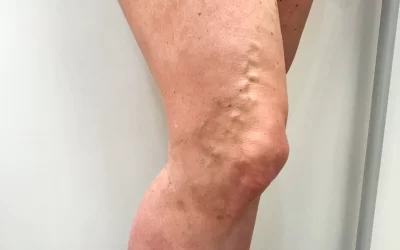
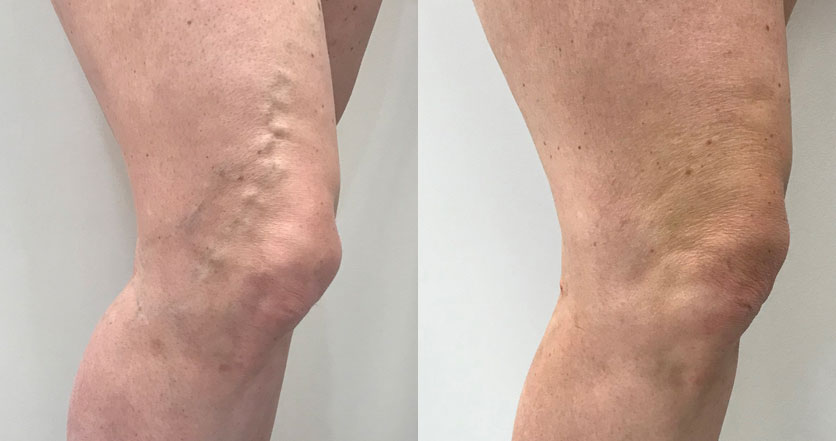
A 50-year-old patient presented with a prominent varicose vein on the thigh that had persisted despite treatment around ten years earlier.
The visible vein was identified as the Anterior Thigh Circumflex Vein, a common vein pattern often linked to reflux in the Great Saphenous Vein or Anterior Accessory Saphenous Vein.
Although the surface vein had previously been treated with sclerotherapy, the underlying source vein was not addressed. This allowed the visible varicose vein to persist.
Treatment Approach Used
Treatment focused on both the source of the problem and the aesthetic treatment of the visible vein.
- Endovenous Laser Ablation (EVLA) was used to close the refluxing Great Saphenous Vein
- Ultrasound-Guided Sclerotherapy targeted the visible varicose vein
This combined approach allowed the treated veins to close and be naturally absorbed by the body.
Follow-Up and Long-Term Outcome
At the 12-month follow-up:
- The treated veins remained closed
- Only mild skin discolouration (hyperpigmentation) was present, which is common after vein treatment
- No remaining reflux was detected on ultrasound
Further review has been scheduled to monitor for any future changes.
Reducing the Risk of Recurrence
What Matters Clinically
- Accurate duplex ultrasound diagnosis
- Treating source veins as well as visible veins
- Avoiding vein stripping surgery
- Tailoring treatment to individual anatomy
- Ongoing review and surveillance
The Patient’s Role
- Attending follow-up appointments
- Reporting new symptoms early
- Understanding vein disease as a long-term condition
Key Takeaways:
- Varicose veins can return due to ongoing vein disease, incomplete diagnosis, or older surgical techniques
- Modern ultrasound-guided treatments significantly reduce recurrence risk
- Long-term outcomes depend on careful planning and follow-up
- Patients and doctors both play a role in maintaining vein health
Glossary
Varicose veins
Veins that have become enlarged and twisted due to weakened valves that allow blood to pool instead of flowing upward.
Chronic venous disease
A long-term condition where veins in the legs struggle to return blood efficiently to the heart. Varicose veins are one visible sign of this condition.
Reflux
Backward flow of blood in a vein caused by valves that are no longer working properly.
Duplex ultrasound
A painless imaging test that shows both the structure of veins and the direction of blood flow. It is essential for accurate diagnosis.
Great Saphenous Vein
The main surface vein running from the ankle to the groin. Reflux here is a common cause of varicose veins.
Anterior Thigh Circumflex Vein
A surface vein on the thigh that is often linked to reflux in deeper source veins.
Accessory vein (Accessory saphenous vein)
A larger surface vein that runs alongside a main saphenous vein, most commonly the anterior accessory saphenous vein. These veins can develop faulty valves and often require treatment.
Endovenous Laser Ablation (EVLA)
A minimally invasive treatment that uses heat delivered inside the vein to seal it closed.
Ultrasound-Guided Sclerotherapy
A technique where a medication is injected into a vein under ultrasound guidance to close it safely and accurately.
Neovascularity
The growth of new, abnormal veins that can occur after vein stripping surgery. These veins lack working valves and are prone to recurrence.
Hyperpigmentation
Temporary skin darkening that can occur after vein treatment and usually fades over time.